Whether you’ve come across it in a social reel, an online blog, a parenting group or even in passing from your GP, the concept of play therapy has been gaining attention in recent years.
Beyond simply “having fun”, play for children has long been recognised as a way they learn, grow, make sense of the world and connect with others. For young children who are still learning to verbalise, play is an essential way they express themselves.
So, what does play therapy look like in action?
What Is Play Therapy and Why Should Parents Know About It?
Play therapy is a clinically recognised, evidence-based approach in which trained professionals called play therapists use various types of play to help children process emotions, develop social skills, and navigate age-appropriate challenges.
Play therapists create safe, structured environments where children can communicate through toys, movement, art, and imagination. Play therapy can help children who might be experiencing things such as separation anxiety, neurodivergence, including ADHD and autism, social anxiety, trauma and developmental challenges. If your child is accessing support through the NDIS, it is also worth familiarising yourself with Thriving Kids, a newer NDIS pathway designed specifically for younger children with mild developmental needs, where play-based approaches are a central part of the program.
While a qualified professional should always conduct formal play therapy, the ideas that underpin it can be beneficial for any parent. Understanding how different types of play and social activities support your child can help you be a more intentional, connected play parent and can make a huge difference in your child’s development and your relationship with them
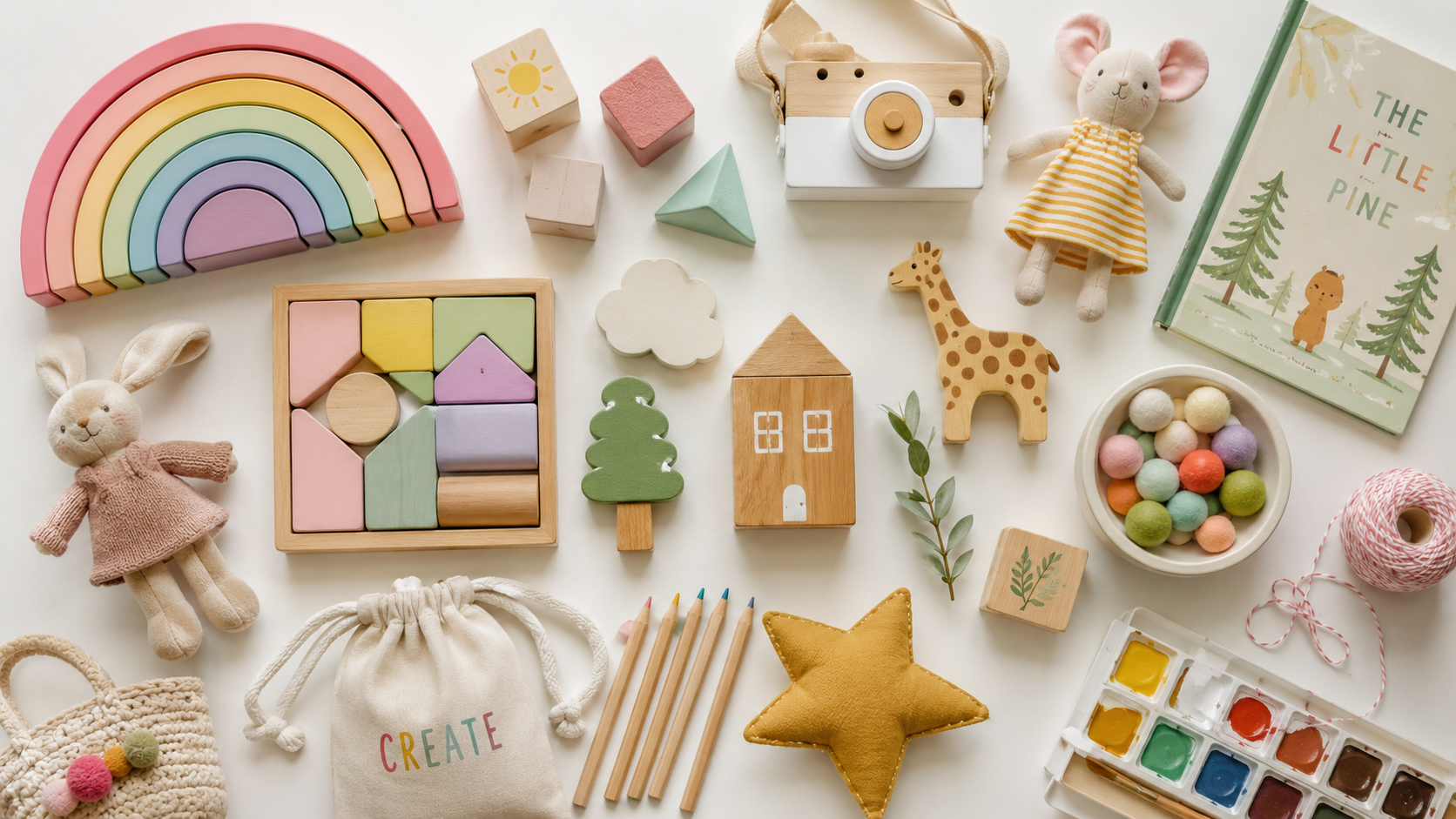
4 Types of Play Therapy
There are lots of different types of play therapy that involve a variety of media, including art, crafts, storytelling, role-play, and more. Below are four overarching approaches, what they look like and how they help.
1. Directive Play Therapy
In directive play therapy, a play therapist takes an active, guiding role in choosing activities, setting goals, and steering the play session with purpose. This approach is particularly useful when a child needs structured support to work through a specific issue, such as processing a difficult event or learning coping strategies.
2. Non-Directive Play Therapy
This is also known as child-centred play therapy, and it lets the child take the lead. The therapist follows by observing, reflecting, and providing a safe space without agenda or instruction. The belief is that children, when given freedom and acceptance, will naturally gravitate toward the play they need. Parents can apply this principle by carving out regular time for truly unstructured play, where your child chooses everything and you simply engage with curiosity and warmth.
3. Imaginative Play Therapy
Imaginative or creative play therapy harnesses storytelling, role play, and fantasy to help children explore feelings and experiences. Playing out a scenario through characters can make it much easier for a child to express something they might have struggled to say directly. This can also extend to arts and crafts, giving your child free rein to create, draw and let their imagination run wild. As a parent, leaning into imaginative play, including joining in with your child's invented worlds, asking questions, and mirroring emotions through storytelling, is an effective way to build emotional skills, empathy, and trust.
4. Group and Social Play Therapy
Group play therapy brings children together to develop social skills, nurture relationships, and build confidence through peer interaction. While you can't replicate a clinical group setting at home, you can absolutely prioritise social play experiences for your child. Active play environments, such as soft play venues, play and educational workshops, outdoor adventures, and playgroups, give children the opportunity to practise turn-taking, communication, and cooperation in real time. This kind of structured social play is also increasingly recognised within programs like Thriving Kids, the NDIS pathway for young children with mild developmental needs, as a meaningful way to build the social skills that matter most in early childhood.

Explore a Safe Place to Learn and Grow
We know that play is essential to children’s ongoing development. That’s why play is at the heart of everything we do at MiniTown, and we pride ourselves on creating a space that’s fun, educational, safe, and collaborative.
Whether you're following your child's lead in the living room or signing up for a session at MiniTown, you're honouring something important for your child’s growth: that play is never just play.
Looking for more opportunities to encourage play? Come and explore what we have to offer. We're here to support you and your little one every step of the way.